How Winter Heating Affects Indoor Air Quality in Long Island Homes
Winter in Long Island brings freezing temperatures, higher heating demands, and extended time spent indoors. While heating systems keep homes warm and comfortable, they can also significantly affect indoor air quality. Many homeowners do not realize that indoor air can become more polluted during winter than at any other time of year.
Indoor air quality refers to the condition of the air inside homes and buildings and how it impacts the health and comfort of occupants. During winter, closed windows, reduced ventilation, and continuous use of furnaces and other heating systems can trap airborne pollutants indoors. Understanding these changes is essential for maintaining healthier living environments, particularly for families with children, seniors, or individuals with respiratory conditions.
This article explores how winter heating influences indoor air quality in Long Island homes, the most common pollutants to watch for, and practical steps homeowners can take to reduce indoor air concerns throughout the colder months.
Understanding Indoor Air Quality During Winter
Indoor air quality is influenced by multiple factors, including ventilation, humidity levels, heating equipment, and everyday household activities. In winter, these factors often combine in ways that reduce fresh air circulation and increase pollutant concentration.
Long Island homes, especially older properties, may be more susceptible due to aging ductwork, outdated heating systems, or limited insulation. Even newer homes designed for energy efficiency can experience indoor air quality challenges when tightly sealed construction restricts airflow.
Why Winter Creates Unique Indoor Air Challenges
Winter weather encourages homeowners to keep windows and doors shut for extended periods. While this helps conserve heat, it also limits the exchange of indoor and outdoor air. As a result, pollutants generated inside the home remain trapped and accumulate over time.
Common winter-related indoor air quality challenges include:
- Reduced ventilation
- Increased use of heating systems
- Lower humidity levels
- Greater exposure to combustion byproducts
These conditions make winter a critical time to pay attention to indoor air quality Long Island homeowners often overlook.
Common Indoor Air Pollutants Linked to Winter Heating
Heating systems themselves are not the sole cause of indoor air quality issues, but they can contribute to the presence and circulation of pollutants throughout the home.
Dust and Particulate Matter
Furnaces and forced-air heating systems circulate air through ducts multiple times each day. If ducts or filters are dirty, dust and fine particles can be redistributed into living spaces.
These particles may include:
- Household dust
- Pet dander
- Pollen tracked indoors
- Fibers from carpets and furniture
Over time, exposure to airborne particulates can irritate the respiratory system and aggravate allergies or asthma.
Combustion Byproducts
Homes using gas, oil, or propane heating systems may be exposed to combustion-related pollutants if equipment is not functioning correctly. These byproducts can include carbon monoxide, nitrogen dioxide, and other gases that may affect indoor air quality.
While modern systems are designed with safety mechanisms, poor ventilation or lack of maintenance can increase the risk of indoor pollutant buildup.
Volatile Organic Compounds
Volatile organic compounds, commonly referred to as VOCs, are released from household products such as cleaning supplies, paints, and building materials. During winter, VOCs can become more concentrated indoors due to reduced ventilation.
Heating systems may not create VOCs directly, but they can circulate these pollutants throughout the home.
The Role of Furnace Filters in Indoor Air Quality
One of the most overlooked components of indoor air quality is the furnace filter. The furnace filter impact on air cleanliness is significant, especially during winter when systems operate more frequently.
How Furnace Filters Affect Air Circulation
Furnace filters are designed to trap airborne particles before they enter the heating system and ductwork. When filters are clean and properly rated, they can help reduce dust, pollen, and other contaminants circulating indoors.
However, clogged or low-quality filters can restrict airflow and allow pollutants to pass through, reducing overall indoor air quality.
Choosing the Right Filter for Winter
Filters are rated by their Minimum Efficiency Reporting Value, or MERV rating. Higher ratings capture smaller particles but may restrict airflow if not compatible with the system.
For many Long Island homes, a mid-range MERV filter provides a balance between filtration and airflow. Replacing filters regularly during winter months helps maintain healthier indoor air and supports efficient heating system operation.
Winter Dry Air and Its Effect on Indoor Comfort
Winter dry air is another major factor influencing indoor air quality. Cold outdoor air holds less moisture, and heating systems further reduce indoor humidity levels.
Low Humidity and Health Concerns
Dry indoor air can cause discomfort and health issues, including:
- Dry skin and irritated eyes
- Increased respiratory irritation
- Worsened allergy symptoms
- Greater susceptibility to colds and flu
Low humidity can also affect the home itself, leading to cracked wood surfaces and static electricity buildup.
Ideal Indoor Humidity Levels
Maintaining indoor humidity between 30 and 50 percent is generally recommended during winter. This range supports respiratory health while preventing excess moisture that could encourage mold growth.
Monitoring humidity levels is an important part of indoor air quality monitoring services offered by HVAC professionals, including assessments provided through companies such as Long Island HVAC Hero.
How Heating Systems Circulate Indoor Air
Heating systems play a central role in how air moves throughout the home. Understanding this process helps explain why indoor air quality concerns often become more noticeable in winter.
Forced-Air Heating Systems
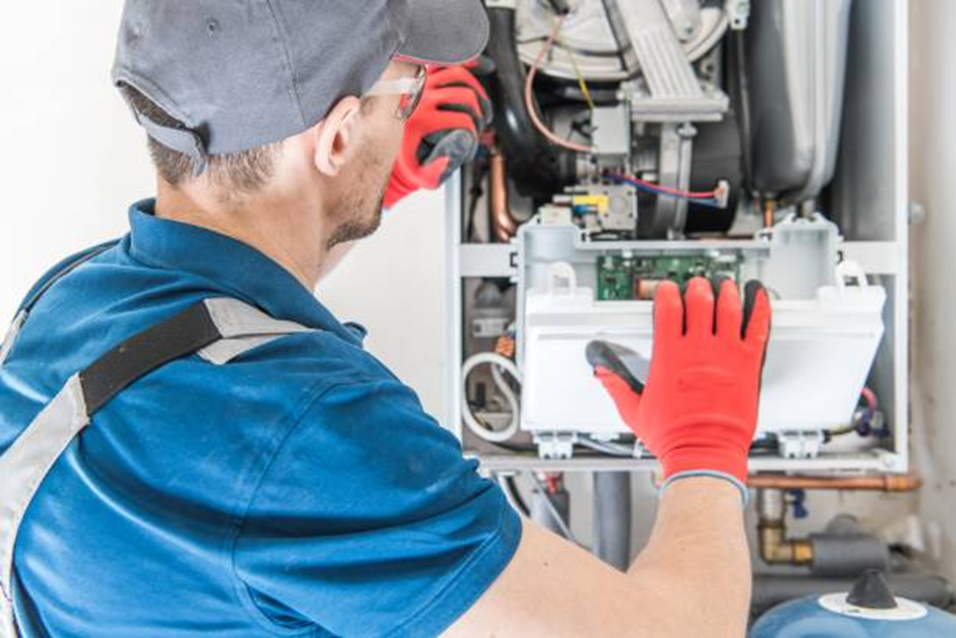
Forced-air systems rely on blowers to move heated air through ducts and vents. This circulation can spread airborne pollutants if filters or ducts are not well maintained.
Duct leaks or buildup can also introduce additional contaminants into the air supply.
Radiant and Boiler Systems
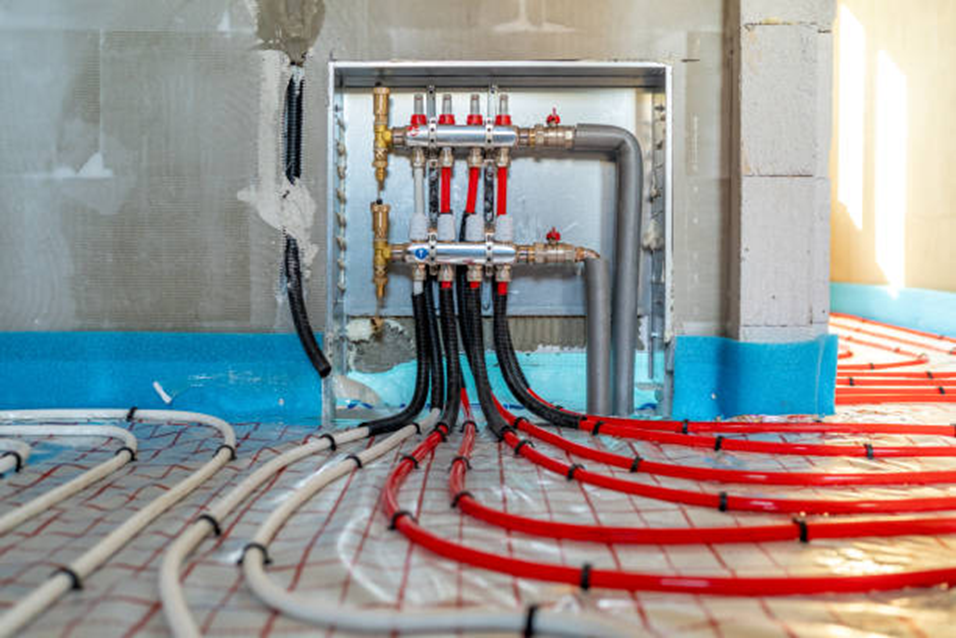
Homes with radiant heat or boiler systems may experience fewer air circulation issues, but indoor air quality concerns can still arise from limited ventilation and dry air.
Regardless of heating type, winter conditions often lead to reduced fresh air exchange, making indoor air quality management essential.
Indoor Air Quality Challenges Specific to Long Island Homes
Indoor air quality Long Island homeowners experience can be influenced by regional factors such as climate, housing styles, and seasonal weather patterns.
Coastal Climate Considerations
Long Island’s coastal climate can bring fluctuating humidity levels throughout the year. In winter, indoor air often becomes excessively dry, while homes near the coast may also face salt air exposure that affects HVAC components.
Older Housing Stock
Many Long Island homes were built decades ago and may have aging heating systems, older ductwork, or insufficient ventilation. These factors can increase the likelihood of indoor air quality issues during winter heating seasons.
Regular system evaluations and indoor air quality monitoring services can help identify concerns specific to individual homes.
Importance of Indoor Air Quality Monitoring Services
Indoor air quality monitoring services help homeowners understand what is present in their indoor environment and how heating systems influence air conditions during winter.
What Monitoring Typically Includes
Professional monitoring may assess:
- Particulate levels
- Humidity levels
- Carbon monoxide presence
- Airflow and ventilation efficiency
This data allows homeowners to make informed decisions about improving indoor air conditions.
Benefits for Long Island Homeowners
For Long Island residents, monitoring services can identify winter-specific concerns such as dry air, filter inefficiencies, or airflow issues related to heating systems. Companies like Long Island HVAC Hero provide HVAC-related assessments that support healthier indoor environments without overstating benefits.
The Role of HVAC Maintenance in Indoor Air Quality
Heating system maintenance plays an indirect but important role in supporting indoor air quality. Well-maintained systems circulate air more effectively and reduce unnecessary pollutant buildup.
Long Island HVAC Hero emphasizes system performance and airflow efficiency as part of routine HVAC services, which can contribute to more stable indoor air conditions during winter without making unrealistic claims.
When to Seek Professional Assessment
Homeowners should consider professional evaluation if they notice persistent issues such as:
- Frequent respiratory irritation
- Excessive dust accumulation
- Unusual odors when the heating system runs
- Uneven heating or airflow problems
Indoor air quality monitoring services can help determine whether heating-related factors are contributing to these concerns.
Long-Term Benefits of Managing Winter Indoor Air Quality
Addressing indoor air quality during winter offers long-term advantages beyond seasonal comfort. Improved air conditions support respiratory health, protect household materials, and help heating systems operate more efficiently over time.
For Long Island homes, proactive attention to indoor air quality creates healthier indoor environments throughout the heating season and beyond.
Conclusion
Winter heating plays a significant role in shaping indoor air quality in Long Island homes. From furnace filter impact to winter dry air and reduced ventilation, multiple factors combine to influence the air residents breathe each day. Understanding these effects allows homeowners to take practical steps toward healthier indoor environments.
By maintaining heating systems, monitoring indoor conditions, and addressing winter-specific challenges, Long Island homeowners can support better indoor air quality throughout the colder months. Resources and services available through providers such as Long Island HVAC Hero can help homeowners stay informed and proactive. Homeowners looking to better understand their indoor environment can get in touch with Long Island HVAC Hero for additional guidance without unnecessary exaggeration.
Frequently Asked Questions
How does winter heating affect indoor air quality?
Winter heating can reduce ventilation, circulate dust and particles, and contribute to dry indoor air, all of which can lower indoor air quality.
Is indoor air quality worse in winter than summer?
In many cases, yes. Closed windows and continuous heating system use can trap pollutants indoors during winter months.
How often should furnace filters be replaced in winter?
Filters should be checked monthly and replaced as needed, especially during periods of heavy heating use.
Can dry winter air affect indoor air quality?
Yes. Winter dry air can irritate respiratory passages and reduce overall comfort, making humidity control an important factor.
What are indoor air quality monitoring services?
These services evaluate indoor air conditions such as humidity, particulate levels, and airflow to identify potential air quality concerns.