5 HVAC Tips to Lower Energy Costs in Your Long Island Office

Sarah Pisano • November 24, 2025

Managing energy costs in a Long Island office can be a significant challenge for business and property managers. With rising utility rates, inefficient HVAC systems often become one of the largest contributors to monthly expenses. Implementing strategic HVAC solutions is no longer just about comfort, it’s about optimizing energy usage to save money and improve indoor air quality.


Fortunately, there are several practical steps that Long Island offices can take to reduce their energy footprint without sacrificing employee comfort. By applying 
HVAC tips that focus on efficiency, you can lower your operational costs, extend the lifespan of your system, and create a healthier workspace.

At Long Island HVAC Hero, we specialize in helping local businesses achieve optimal indoor environments while keeping energy costs in check. From programmable thermostats and zoning systems to duct sealing and preventive maintenance, we provide tailored solutions for offices of all sizes.

This guide highlights five actionable HVAC strategies that can help your Long Island office reduce energy consumption and operational costs. Whether you manage a small office or a large commercial building, implementing these tips can lead to significant savings over time.

Learn how to:


  • Use programmable thermostats to regulate temperatures efficiently
  • Implement HVAC zoning for targeted climate control
  • Schedule regular preventive maintenance

  • Seal and optimize ductwork
  • Take advantage of heat recovery systems and energy incentives

For a deeper look into customized energy-saving strategies, check out our guide on Understanding HVAC Maintenance Plan Costs in Nassau & Suffolk Counties.


1. Optimize with Programmable Thermostats


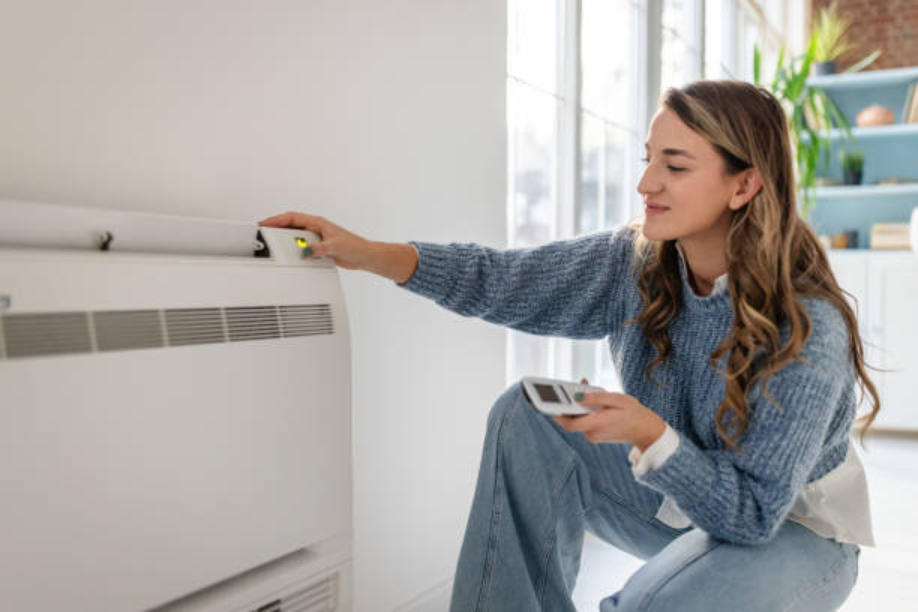
One of the simplest yet most effective ways to reduce commercial HVAC energy usage is by installing programmable thermostats. These devices allow you to set temperature schedules based on office hours, ensuring that energy is not wasted heating or cooling an empty space.


Key Benefits:


  • Automatically adjusts temperatures during weekends and after-hours
  • Reduces wear and tear on your HVAC system
  • Provides detailed energy usage data for smarter planning


For example, you can program the thermostat to keep office temperatures slightly higher during summer nights and lower during winter non-working hours. Over time, this can lead to substantial reductions in energy bills.

Modern thermostats can also integrate with building automation systems, allowing managers to monitor energy usage remotely. This is particularly useful for multi-location offices, ensuring consistent comfort while optimizing costs.

Partnering with a professional HVAC service ensures your thermostat is calibrated correctly and compatible with your existing system. Learn more about professional support at HVAC Repair Long Island.


How Programmable Thermostats Save Energy


Automation removes human error from temperature management. Offices often leave HVAC systems running at full capacity even when spaces are unoccupied. Programmable thermostats eliminate this waste, maintaining optimal comfort only when needed.

Integration with zoning systems further amplifies savings by adjusting temperatures in specific areas rather than the entire building. For Long Island offices, this can mean cutting thousands of dollars in unnecessary energy expenses annually.


2. Implement HVAC Zoning for Targeted Efficiency


Zoning systems divide your office into separate climate zones, allowing precise temperature control in each area. Instead of cooling or heating the entire building uniformly, zoning directs conditioned air only where it’s needed.


Benefits for Long Island Offices:


  • Increased comfort in frequently used areas like meeting rooms
  • Lower energy consumption by avoiding unused spaces
  • Reduced strain on the HVAC system, extending equipment life

Offices with varying occupancy patterns such as a large lobby and small conference rooms, see the most benefit from zoning. Combining zoning with programmable thermostats allows each zone to follow its own schedule, maximizing energy efficiency.

For businesses looking to upgrade or install zoning solutions, Ductless Heating and Cooling systems offer excellent flexibility and control for commercial environments.


Zoning Benefits for Large Office Layouts


Zoning provides tailored comfort while reducing operational costs. For instance, areas that are seldom occupied, like storage rooms or conference halls, can be maintained at energy-saving temperatures, while employee work areas stay comfortable.

Zoning works seamlessly with ductless systems, heat recovery setups, and modern thermostats, creating a comprehensive energy-saving strategy for your Long Island office.


3. Schedule Preventive Maintenance Regularly


Routine preventive maintenance is key to keeping commercial HVAC systems running efficiently. Neglecting maintenance can lead to reduced performance, higher energy bills, and costly repairs.


Recommended Maintenance Tasks:


  • Change air filters regularly
  • Clean coils and condenser units
  • Check refrigerant levels and airflow
  • Inspect ductwork for leaks or blockages


Seasonal maintenance, particularly before summer or winter, ensures your system operates at peak efficiency. Not only does this save money, but it also improves indoor air quality, keeping employees healthy and comfortable.

Long Island offices can benefit from customized maintenance contracts tailored to their building size and HVAC system type. Learn more about designing a comprehensive plan at What to Include in Your Commercial HVAC Maintenance Contract.


Partnering with a Reliable Long Island HVAC Maintenance Team


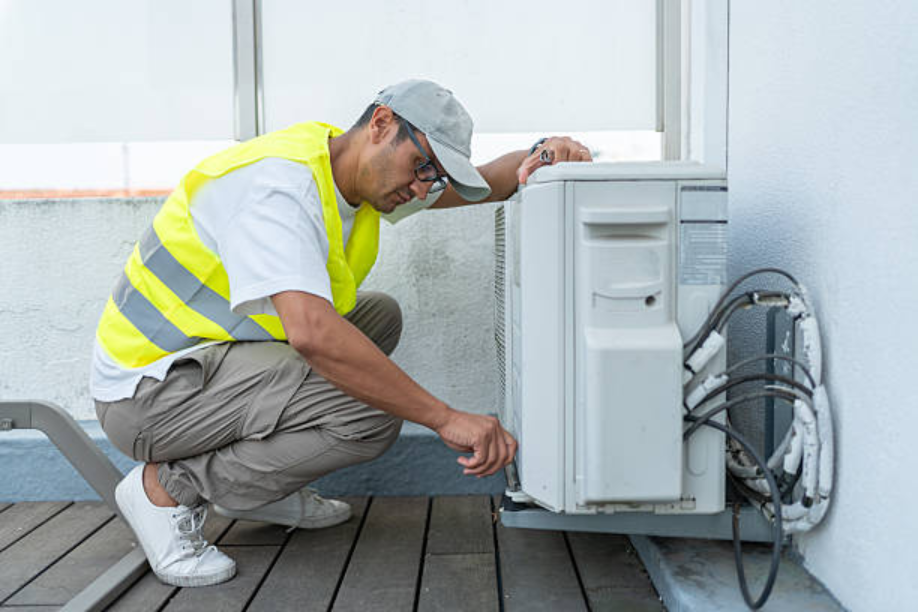
Professional maintenance ensures every component of your HVAC system is optimized. A trained technician can identify issues before they escalate, reduce downtime, and recommend energy-saving upgrades.

At Long Island HVAC Hero, our preventive maintenance services focus on prolonging system life while lowering commercial HVAC energy costs in Long Island.


4. Seal Ducts and Improve Air Distribution


Leaky or poorly designed ductwork wastes heated or cooled air, driving up energy costs. Proper duct sealing improves efficiency by directing airflow where it’s needed.


Key Advantages:


  • Balanced temperatures across all office spaces
  • Reduced energy waste and lower utility bills
  • Enhanced indoor air quality for employees

Detecting leaks early and sealing ducts professionally ensures that HVAC systems work efficiently. This also minimizes strain on your system, reducing the likelihood of breakdowns.


For more information on improving airflow and indoor quality, visit Indoor Air Quality Long Island.


Professional Duct Sealing for Better Performance


Certified technicians use advanced tools to identify leaks and ensure airtight connections. Proper duct sealing guarantees optimal airflow, enhanced comfort, and measurable energy savings. Long Island businesses see both immediate and long-term benefits from professional duct services.


5. Use Heat Recovery and Energy Incentives


Heat recovery ventilation (HRV) systems capture and reuse waste heat from exhaust air, reducing energy consumption for heating and cooling. They are particularly effective in large office buildings with significant ventilation requirements.


Benefits of HRV Systems:


  • Lower heating and cooling costs
  • Improved indoor air quality
  • Reduced environmental impact


Additionally, local energy incentives and utility rebates make upgrading HVAC systems more affordable for Long Island offices. Businesses can take advantage of these programs to reduce installation costs and maximize ROI.

Consult with Long Island HVAC Hero for guidance on energy-efficient upgrades and eligibility for local incentive programs.


Maximize Savings with Local Incentive Programs


Energy rebate programs help offset costs for installing HRV systems, programmable thermostats, and duct improvements. Partnering with experienced Long Island HVAC professionals ensures your office receives the maximum available incentives while achieving long-term energy savings.


Conclusion


Implementing these five HVAC tips, programmable thermostats, zoning, preventive maintenance, duct sealing, and heat recovery can significantly lower energy costs for your Long Island office.

Optimizing HVAC systems is a smart investment that balances comfort, efficiency, and sustainability. By addressing these areas proactively, office managers can reduce energy waste, improve air quality, and extend the life of their HVAC systems.

For personalized advice and professional installation, reach out to Long Island HVAC Hero. Our team specializes in helping local businesses save on energy costs while maintaining a comfortable and productive office environment. Schedule a consultation today via our contact page to start your energy-saving journey.


FAQ


  • How much can my Long Island office save with programmable thermostats?

     Savings vary depending on office size and HVAC usage, but businesses often reduce energy costs by 10–20% annually. Programmable thermostats optimize heating and cooling schedules to prevent unnecessary energy use.

  • What is HVAC zoning, and is it suitable for all office types?

    HVAC zoning divides your office into separate climate zones with independent temperature control. It’s ideal for offices with varying occupancy levels or large spaces where uniform temperature control is inefficient.

  • How often should commercial HVAC systems be maintained?

    Seasonal maintenance typically twice a year, before summer and winter is recommended. Regular preventive maintenance ensures peak efficiency, fewer repairs, and lower energy costs.

  • Can duct sealing really make a difference in energy bills?

     Yes. Leaks in ductwork can waste up to 30% of conditioned air. Proper sealing improves airflow, balances temperatures, and reduces strain on HVAC systems, resulting in lower utility bills.

  • Are there incentives for upgrading HVAC systems in Long Island offices?

    Absolutely. Utility rebates, energy-efficiency programs, and government incentives are available to offset the cost of upgrades like HRV systems, duct sealing, and energy-efficient thermostats. Consulting a professional ensures eligibility and maximized savings.
By Sarah Pisano December 16, 2025
Winters on Long Island can be long, cold and demanding on residential heating systems. When temperatures drop and homes rely heavily on heat, the efficiency and reliability of a heating unit become necessary for comfort and safety. Whether a home is equipped with a furnace, boiler or heat pump, every homeowner benefits from understanding how their heating system functions and what steps are needed to maintain peak performance. This comprehensive home heating guide provides an in-depth resource covering buying considerations, repair signs, maintenance routines and furnace lifespan awareness, helping Long Island homeowners stay prepared all winter. Heating systems are complex machines that experience stress during heavy seasonal use. Proper decision-making begins before installation and continues throughout equipment ownership. Knowing the difference between minor issues and major failures, understanding when repairs are worthwhile and learning how to preserve system longevity can reduce unexpected breakdowns and energy waste. The goal of this guide is to provide clear and actionable information for homeowners throughout each stage of heating system ownership. Heating Systems Commonly Found in Long Island Homes Heating systems vary across the region depending on home structure, age, available fuel sources and family comfort needs. While modern construction favors newer energy-efficient solutions, many older properties still function on traditional heating equipment. Understanding the system currently installed in the home is the foundation for proper maintenance and troubleshooting. Gas Furnaces Gas furnaces are widely used due to strong heat distribution, fast temperature recovery and access to natural gas. They operate by burning fuel in a sealed chamber and directing heated air through ducts. Filters and ventilation components require regular inspection to ensure airflow and safe indoor air. Oil Furnaces Oil furnaces remain common in many historic and rural neighborhoods. They offer high heating output and long heating cycles but require fuel management, nozzle cleaning and periodic filter replacements. With consistent attention, oil-based systems can last for decades. Boilers Boilers heat water to create hot water or steam that flows through radiators or radiant flooring. Known for long lifespans and steady heating performance, boilers require upkeep focused on water pressure, flushing and air removal from the lines. Heat Pumps Heat pumps use outside air to heat and cool homes and are popular in modern energy-efficient properties. Their performance depends heavily on outdoor temperature and internal components. Regular servicing is recommended to keep efficiency high during peak seasons. Choosing the Right Heating System for Your Home Investing in the right heating system affects long-term indoor comfort and energy consumption. A new system should be selected based on careful evaluation rather than brand awareness alone. Consider the following when planning for replacement or installation. Evaluation by a Professional A qualified heating technician can assess insulation, layout, home age, duct design and climate demands to recommend an appropriate equipment size and technology. A system that is too small will run excessively, while an oversized unit causes temperature swings and short cycling. Planning for Long-Term Ownership When comparing models, consider expected lifespan, parts availability and compatibility with smart thermostats. The goal is not only a warm home but also efficient long-term operation with minimal ongoing strain on equipment. Repair Signs Every Long Island Homeowner Should Be Aware Of All heating systems develop wear over time. Recognizing early repair indicators prevents unexpected shutdowns during winter and reduces further internal damage. Frequent Warning Indicators Reduced Airflow or Weak Heat Output If the system runs for long periods without reaching the desired temperature, restricted airflow, clogged filters or internal component deterioration may be responsible. Uneven Room Temperatures When certain rooms remain noticeably colder, duct problems, improper air distribution or blower motor issues may be present. Strange Noises Grinding, rumbling or high-pitched squealing should be addressed immediately, as they can indicate mechanical breakdown or failing bearings. Odors During Operation A burning smell may signal wiring or overheating problems. A musty odor could mean moisture buildup in ducts. Any unusual smell should be assessed promptly. Short Cycling If the system constantly turns on and off, the thermostat, heat exchanger, sensors or airflow balance could be affected. Increased Energy Bills When heating consumption rises unexpectedly, efficiency has likely decreased due to system aging or blocked internal components. Heating failures are not always sudden. Homeowners who understand early repair signs are better equipped to schedule service before damage spreads. Heating System Maintenance: Extending Performance and Longevity Heating systems benefit most from planned, preventive maintenance. Even equipment that appears to be functioning properly degrades internally over high-demand seasons. A consistent maintenance routine protects the system and helps extend furnace lifespan significantly. Key Maintenance Checklist for Long Island Homes Replace furnace or HVAC filters every 1 to 3 months during seasonal use Schedule an annual professional system inspection before winter Keep air registers and vents clear of furniture and debris Clean dust from blowers and return grilles Confirm duct insulation and repair any visible leaks Monitor thermostat accuracy and recalibrate when needed Test carbon monoxide detectors and replace batteries yearly The Importance of Regular Servicing During routine servicing, a technician may identify early signs of wear that are not visible to homeowners such as loose electrical connections, fuel delivery issues or slow blower performance. Addressing problems during inspection prevents winter breakdowns and extends equipment life. Internal Components That Require Routine Attention Blower motor Burners and ignitors Heat exchanger Belts and pulleys Fuel delivery lines Safety sensors Consistent upkeep reduces strain on equipment, maintains safe household air and promotes stable indoor temperature during winter. Understanding Furnace Lifespan and Replacement Timing Planning ahead for system replacement prevents emergency downtime. Every heating system has an estimated lifespan, which varies based on maintenance routine and operational intensity. Typical Lifespan by System Type Gas Furnace 15–20 years Lifespan varies based on service frequency Oil Furnace 15–25 years Requires regular tune-ups and filter changes Heat Pump 12–15 years Higher heating demand reduces lifespan Boiler 20–30 years Proper water management extends longevity Indicators That Replacement May Be Wiser Than Repair Repairs have become frequent within the last two or three seasons Replacement parts are difficult to obtain because the model is outdated Heating output is reduced and comfort levels decline each winter Energy consumption increases despite filter changes and maintenance Operational noises become more noticeable and repetitive Replacing an aging unit before total failure ensures the household stays comfortable and avoids mid-winter disruption. Conclusion A dependable heating system is essential for Long Island households throughout the winter season. By learning about different heating systems, recognizing repair signals early, prioritizing routine maintenance and understanding furnace lifespan, homeowners can experience safe, comfortable and energy-efficient heating for many years. Partnership with a trusted HVAC provider adds peace of mind by ensuring that inspections, repairs and system upgrades are handled with expertise. Many homeowners across the region rely on Long Island HVAC Hero for recurring servicing, equipment evaluations and winter readiness support. If homeowners ever need guidance, system assessments or seasonal maintenance, they can get in touch through the official contact page at Long Island HVAC Hero to arrange a visit or request assistance . With preparation and informed decision-making, familieHs can enjoy consistent heating performance and confidently face the coldest months of the year.  Frequently Asked Questions
By Sarah Pisano December 16, 2025
Learn what Long Island homeowners should expect from furnace replacement, installation, system types and long-term heating efficiency.
By Sarah Pisano December 16, 2025
Inefficient operation, dirty filters, or worn components can force the furnace to work harder, increasing energy consumption.
By Sarah Pisano December 16, 2025
A complete winter guide for Long Island homeowners on urgent furnace issues, emergency heating repair, and maintaining safe, reliable residential heating.
HVAC technician inspecting rooftop air conditioning units on Long Island, taking notes on a tablet.
By Sarah Pisano November 24, 2025
Learn what every facility manager should include in a commercial HVAC maintenance contract on Long Island from service frequency to warranty and compliance.
By Sarah Pisano November 24, 2025
Discover expert furnace repair tips for Long Island homeowners. Learn how to maintain your heating system, troubleshoot common issues, and stay warm all winter with professional guidance
By Sarah Pisano November 24, 2025
Explore the benefits, costs, energy savings, and incentives of switching from oil to gas in Long Island homes. Learn if an oil-to-gas conversion is worth it for your property.
By Ashutosh Sharma November 7, 2025
Explore the best air purifiers for Long Island HVAC systems.Learn about HEPA vs UV, CADR, filter replacement, and humidity control. Allergens, and whole-house purifiers. For healthier indoor air.
By Ashutosh Sharma November 7, 2025
Discover the factors affecting HVAC maintenance plan costs in Nassau & Suffolk Counties. Learn about plan tiers, service frequency, inclusions, and how to save money for your Long Island home.
By Sarah Pisano November 6, 2025
Summers in Long Island can be long, humid, and relentless, putting your HVAC system under extreme pressure. Without regular upkeep, your system may struggle to keep up—leading to costly repairs and uncomfortable indoor temperatures. That’s why HVAC maintenance isn’t just a recommendation; it’s a necessity. In this complete guide by Long Island HVAC Hero , we’ll walk you through the ultimate HVAC maintenance checklist tailored specifically for Long Island summers. Whether you own a central air system or a ductless unit, this list will help extend your system’s life and keep energy bills in check. 1. Inspect and Replace Air Filters Your HVAC system's air filters should be inspected at least once a month during the summer season. Dirty or clogged filters can restrict airflow, causing your system to work harder and waste energy. This not only reduces cooling efficiency but also strains your HVAC components. In most cases, filters should be replaced every 1-3 months depending on usage, household pets, and allergies. Long Island HVAC Hero can assist you in choosing high-quality filters and performing replacements as part of routine maintenance. 2. Clean Vents and Registers Dust and debris can accumulate quickly in vents and registers, especially when your HVAC system is running constantly during the summer. Dirty vents can lead to uneven cooling and poor indoor air quality. Take a few minutes to vacuum vents and use a damp cloth to wipe away any visible buildup. If you notice restricted airflow, it could be a sign of larger duct issues—something our team at Long Island HVAC Hero can inspect and fix promptly. 3. Check the Thermostat Settings A properly calibrated thermostat ensures that your HVAC system runs efficiently without overcooling or short cycling. Set your thermostat to a consistent temperature and consider using a programmable or smart model to automate energy-saving settings. Small adjustments, such as raising the temperature a few degrees while you’re out, can significantly reduce energy consumption. If you're experiencing inconsistent temperatures, a faulty thermostat may be to blame, and Long Island HVAC Hero can help upgrade or recalibrate your unit. 4. Inspect the Condensate Drain Line The condensate drain line removes excess moisture from your HVAC system. If it becomes clogged, it can lead to water damage, humidity problems, and even system failure. During summer, when AC units work overtime, it’s important to ensure the line remains free of obstructions. Flushing the line with a vinegar solution helps prevent algae and mold buildup. However, if you're unsure or notice signs of leaking, it’s best to schedule a visit with Long Island HVAC Hero to avoid long-term damage. 5. Clean the Outdoor Condenser Unit Your HVAC's outdoor unit is exposed to the elements and can easily become clogged with leaves, dirt, and other debris. When airflow around the condenser is blocked, heat cannot be efficiently expelled, which leads to system inefficiency or breakdown. Inspect the area around the unit and trim any vegetation that’s within two feet of the equipment. Gently clean the unit’s fins and coils with a hose or soft brush. For deep cleaning or professional inspections, Long Island HVAC Hero offers complete condenser servicing. 6. Evaluate Ductless Mini-Split Units Ductless systems require a slightly different maintenance approach than central systems. During summer, you should clean the filters inside each unit, check for refrigerant leaks, and ensure the outdoor compressor is free of obstructions. Ductless systems are highly efficient, but without proper care, they can lose performance. If you use or plan to install a ductless solution, rely on Long Island HVAC Hero for expert service and seasonal tune-ups. 7. Seal and Insulate Ductwork Leaky or poorly insulated ducts are a major source of energy waste. Cooled air can escape before it reaches your rooms, forcing your system to run longer and harder. In Long Island’s hot summers, this can drastically increase your electric bill. Sealing leaks with mastic or foil tape and adding insulation can significantly improve efficiency. Our HVAC professionals at Long Island HVAC Hero are equipped to inspect and repair your ductwork for optimal performance.