How Often Should I Service My Long Island Furnace?
If you’re a Long Island homeowner, one of the most crucial questions you’ll face as the colder months approach is: “How often should I service my furnace?” Regular furnace maintenance is more than just a recommendation—it’s a safeguard for your family’s safety, comfort, and heating efficiency during Long Island’s brisk winters. Whether your heating system is brand new or several years old, proper servicing ensures it performs at its best when you need it the most.
For expert local help, Long Island HVAC Hero offers full-service residential and commercial furnace maintenance, tune-ups, and repairs that keep your system running year-round.
Why Furnace Maintenance Matters
The Importance of Regular Furnace Inspections
Furnaces, like all major appliances, degrade over time. Dust buildup, loose connections, and worn parts can all lead to inefficiencies or hazards if not addressed early. Annual inspections help detect minor issues before they develop into costly repairs or dangerous malfunctions.
Avoiding Mid-Winter Breakdowns in Long Island
Imagine waking up in January to a freezing house and a silent furnace. This nightmare scenario is all too common among homeowners who skip seasonal maintenance. A tune-up in early fall from experts like Long Island HVAC Hero can prevent inconvenient and expensive winter breakdowns.
Energy Efficiency & Lower Heating Bills
A serviced furnace uses less fuel and produces more consistent heat. Clean filters and properly calibrated components increase airflow and reduce energy waste—translating directly to savings on your utility bill.
How Often Should a Furnace Be Serviced in Long Island?
Seasonal Weather Patterns in Long Island
Long Island experiences cold, damp winters with occasional extreme weather conditions. These factors place added stress on home heating systems, making regular maintenance essential. Because of the challenging climate, homeowners are encouraged to have their heating systems inspected and tuned up at least once a year, and in some cases, twice annually. Proper upkeep helps ensure your furnace performs reliably through the season and lasts longer.
Recommended Service Frequency by Professionals
Most HVAC professionals advise scheduling a furnace inspection and maintenance service annually, preferably before the heating season begins in the fall. For homes with older heating systems or those experiencing heavy usage, a bi-annual service—once in fall and again in spring—can provide added protection and efficiency. This approach helps catch issues early and prepares the system for seasonal transitions.
Comparing Annual vs Bi-Annual Servicing
Annual servicing is generally sufficient for newer heating systems and households with average usage. In contrast, bi-annual servicing is ideal for homes with older furnaces, high heating demand, or additional factors such as pets and allergies that may affect indoor air quality. Regular inspections ensure optimal performance and indoor comfort throughout the year.
Scheduling professional inspections through Long Island HVAC Hero guarantees that you receive a service plan tailored specifically to your home’s heating needs.
What’s Included in a Furnace Tune-Up?
Full Inspection Checklist
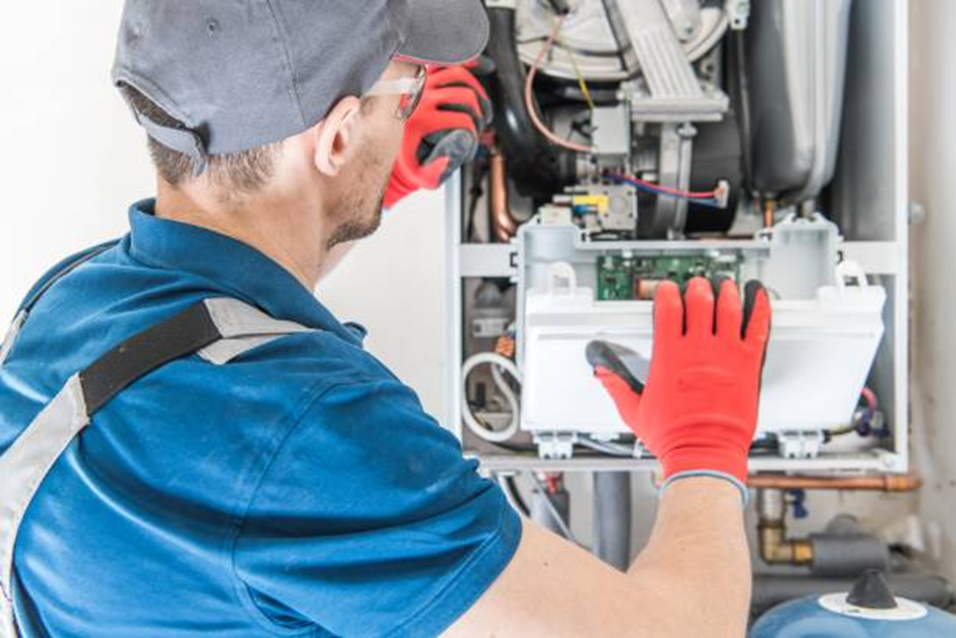
A standard professional furnace tune-up includes:
- Inspection of heat exchanger and burners
- Thermostat testing and calibration
- Electrical connection tightening
- Lubrication of moving parts
- Blower motor testing
Cleaning and Filter Replacement
Replacing filters and cleaning blower components are essential steps in maintaining proper airflow and air quality. Dirty or clogged filters force your furnace to work harder, leading to inefficiency, higher energy use, and increased wear. Regular cleaning reduces allergens and helps keep your system running smoothly season after season.
Safety Check (Including CO Monitoring)
A critical part of any furnace tune-up is testing for carbon monoxide (CO), an invisible and odorless gas that poses serious health risks. Professionals verify that your furnace ventilates safely and that CO detectors in your home are functioning correctly. Annual inspections with certified technicians, like those at Long Island HVAC Hero, are vital to protect your household from CO exposure and ensure reliable heating.
Signs Your Furnace Needs Immediate Attention
Noisy Operation
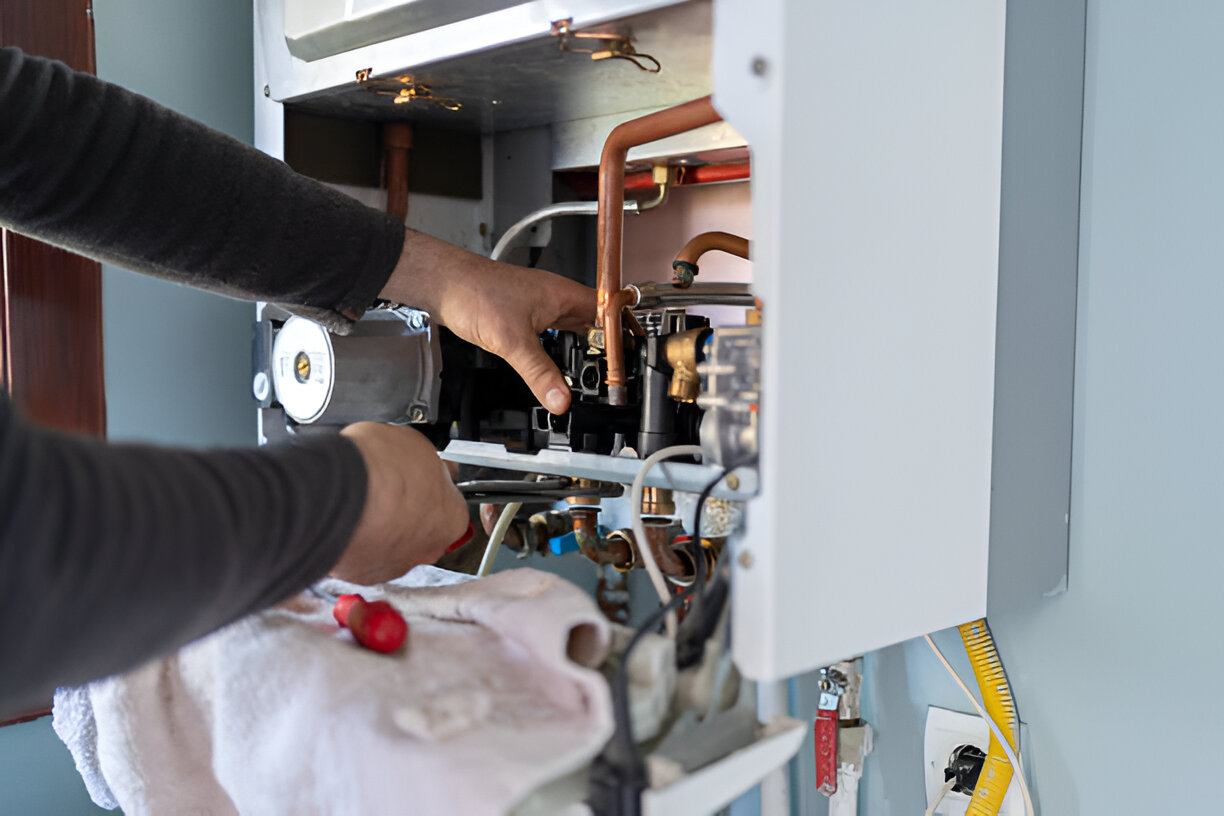
Unusual sounds coming from your furnace, such as banging, whining, or clanking, often indicate internal wear or mechanical failure. These noises may stem from loose belts, damaged bearings, or failing motors. Ignoring them can lead to more severe damage over time. Addressing the issue promptly helps prevent further system deterioration. Immediate attention from a qualified technician is recommended.
Uneven Heating or Rising Utility Bills
When some areas of your home feel colder than others, or your energy usage increases without explanation, your furnace may not be operating efficiently. These symptoms are commonly linked to airflow problems, leaky ducts, or a malfunctioning blower motor. An underperforming system struggles to maintain consistent temperatures and uses more energy in the process. Professional diagnostics can identify and correct the root cause.
Yellow Pilot Light
Your furnace’s pilot light should burn a steady blue flame. If it appears yellow, orange, or flickers frequently, it’s a warning sign of incomplete combustion. This condition can result in the release of carbon monoxide, a dangerous and odorless gas. For safety, shut off the system and have it inspected right away. The licensed team at Long Island HVAC Hero can assess the issue and ensure your system is operating safely and correctly.
DIY Furnace Maintenance vs Hiring a Pro
What Homeowners Can Safely Do
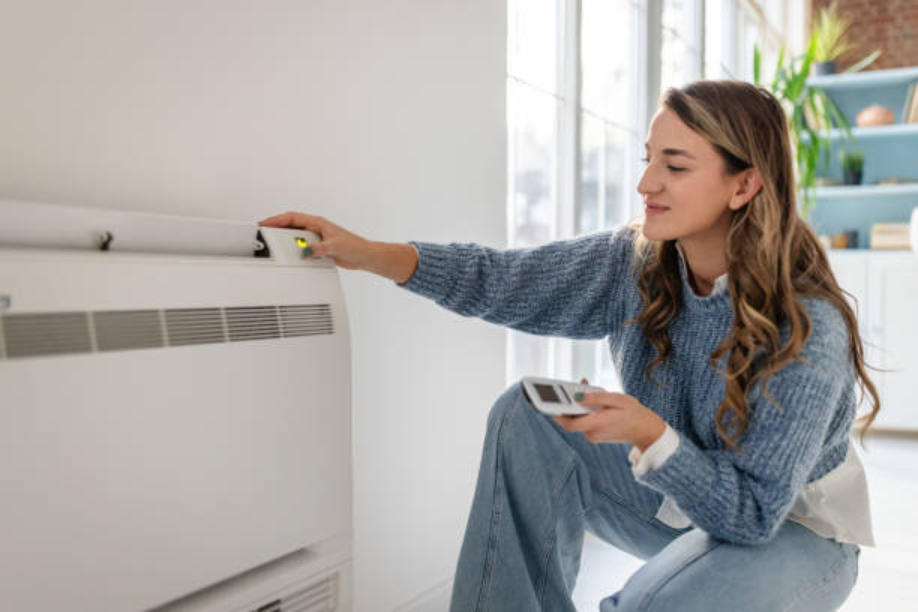
There are several simple maintenance tasks homeowners can handle to keep their heating system running smoothly. Replacing air filters monthly or quarterly improves airflow and system efficiency. Make sure all vents and registers remain clear of furniture, rugs, or debris. Checking your thermostat settings regularly also ensures consistent performance. These small efforts can help extend your system’s lifespan between professional tune-ups.
Risks of DIY Furnace Repair
While it may be tempting to troubleshoot furnace problems yourself, DIY repairs can cause more harm than good. Untrained adjustments may damage critical components or lead to dangerous conditions like gas leaks or fire risks. Attempting repairs could also void the manufacturer’s warranty. It’s always safest to rely on licensed HVAC professionals for anything beyond basic maintenance.
Value of Certified HVAC Technicians
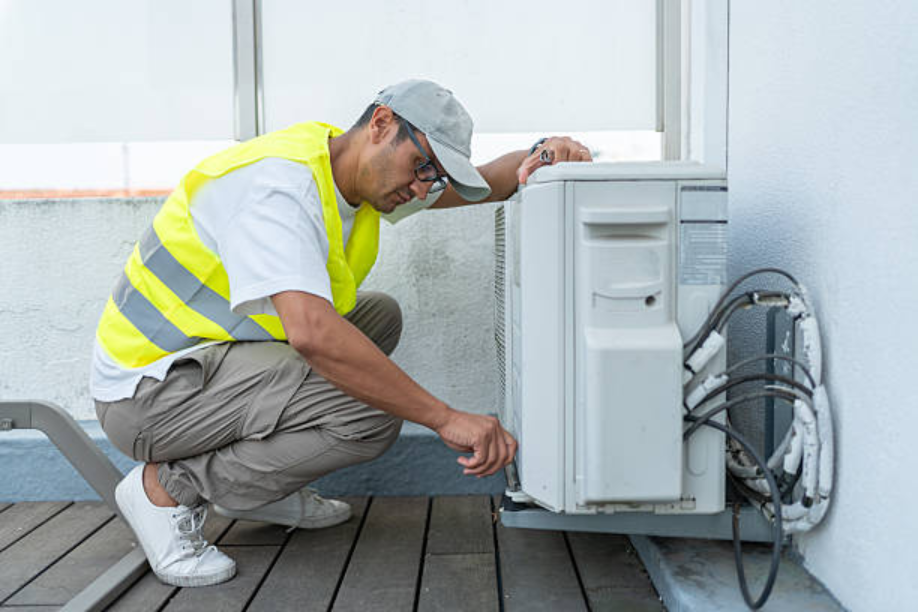
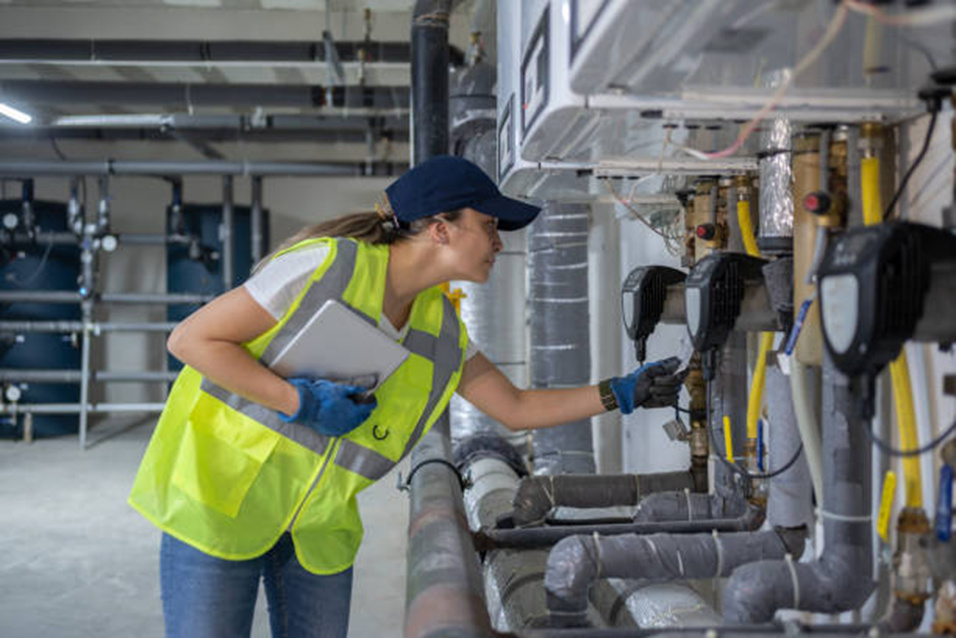
Certified technicians bring years of training, specialized tools, and knowledge of safety protocols to every job. They can diagnose complex problems, ensure compliance with Long Island building codes, and optimize system performance. The team at Long Island HVAC Hero is experienced in heating replacement, installation, and maintenance, providing dependable service backed by local expertise. Homeowners can trust that their systems are in good hands.
Cost of Furnace Maintenance in Long Island
Average Furnace Tune-Up Pricing
A standard furnace tune-up in Long Island typically requires a modest investment, which varies depending on the system’s age, size, and manufacturer. Older or high-capacity systems may take more time and care during the inspection process. Regular tune-ups help ensure your heating system runs efficiently and safely. They also support consistent comfort during the colder months. For homeowners and businesses alike, scheduling seasonal service is a proactive step toward reliability.
Potential Savings from Preventative Care
Preventative maintenance is one of the best ways to extend the life of your heating system. It can uncover minor wear or performance issues before they lead to serious damage. Regular service reduces the chance of mid-winter breakdowns and helps your system run more efficiently. In many cases, early detection of small problems can prevent more complex issues later on. This kind of care supports better performance and peace of mind all season long.
Comparing One-Time vs Service Plans
While one-time tune-ups are useful, many property owners choose maintenance plans for added convenience and protection. Long Island HVAC Hero’s heating replacement and installation team provides flexible service plans for both residential and commercial systems. These plans often include seasonal checkups, priority scheduling, and repair discounts. For those managing multiple systems or looking for year-round dependability, a plan can offer better long-term support. It's a smart way to stay ahead of maintenance needs without the hassle of last-minute appointments.
Carbon Monoxide and Safety Considerations
CO Risks from Neglected Furnaces
Cracks or damage in a furnace’s heat exchanger can lead to carbon monoxide (CO) leaks—an invisible, odorless gas that can be deadly. Without regular inspections, these issues can remain undetected until serious health risks emerge. Annual maintenance is essential for keeping your heating system safe and efficient.
Installing CO Detectors
To protect your household, install carbon monoxide detectors:
- Near every bedroom
- On each level of your home
- In or near the furnace room
Test detectors monthly and replace them every 5–7 years, or according to the manufacturer's instructions.
When to Evacuate & Call for Help
If your CO detector goes off:
- Evacuate the home immediately.
- Contact emergency services from a safe location
- After the situation is under control, have your heating system inspected by a qualified HVAC technician
If you're in the area, trust Long Island HVAC Hero for heating replacement and installation to restore safety and peace of mind. Their expert team is trained to handle CO risks and furnace repairs promptly and professionally.
Best Times of Year to Schedule a Tune-Up
Spring vs Fall Inspections
- Fall: Prepare your heating system before winter’s demands set in. A fall inspection ensures your furnace or heat pump operates safely and efficiently when temperatures drop.
- Spring: Once heating season ends, a spring inspection helps identify and resolve any issues caused by heavy winter usage—before storing the system or transitioning to cooling.
Off-Season Advantages
Scheduling service in off-peak months like September or April comes with clear benefits:
- Faster appointment availability
- More flexible scheduling
- Potentially lower service costs
This is a great time to consider upgrades as well. If your system is outdated, learn more about heating replacement and installation in Long Island to improve efficiency before next winter.
Avoiding Emergency Winter Calls
Don’t wait until your system fails in the middle of January. A proactive fall tune-up can prevent costly emergency repairs and help ensure your home stays warm and safe throughout the season. Routine maintenance now means peace of mind later.
FAQ
How often should I service my furnace in Long Island?
At least once a year. Fall is best, but high-use homes may benefit from a spring check-up as well.
How much does a furnace tune-up cost on Long Island?
Expect to pay between $100 and $250 depending on your system’s specifics.
Can I do furnace maintenance myself?
Basic maintenance like filter changes is fine, but leave inspections and repairs to the pros.
Is furnace servicing really necessary every year?
Yes. Annual servicing ensures safe operation, efficiency, and compliance with warranties.
Where can I find trusted furnace service in Long Island?
Contact the experts at Long Island HVAC Hero for professional furnace tune-ups, repairs, and full system installations.
Conclusion
Your furnace is the heart of your home’s heating system, especially during Long Island’s cold winters. Servicing it once or twice a year ensures safety, lower energy bills, and peace of mind. From inspections and filter changes to CO testing and professional repairs, regular maintenance extends the life of your furnace while protecting your family.
If you're due for a tune-up or suspect your furnace isn't running as efficiently as it should, don't wait for it to fail. Schedule your service with Long Island HVAC Hero today and keep your home warm and worry-free all winter long.